Category: Wildlife & Pollinators
-
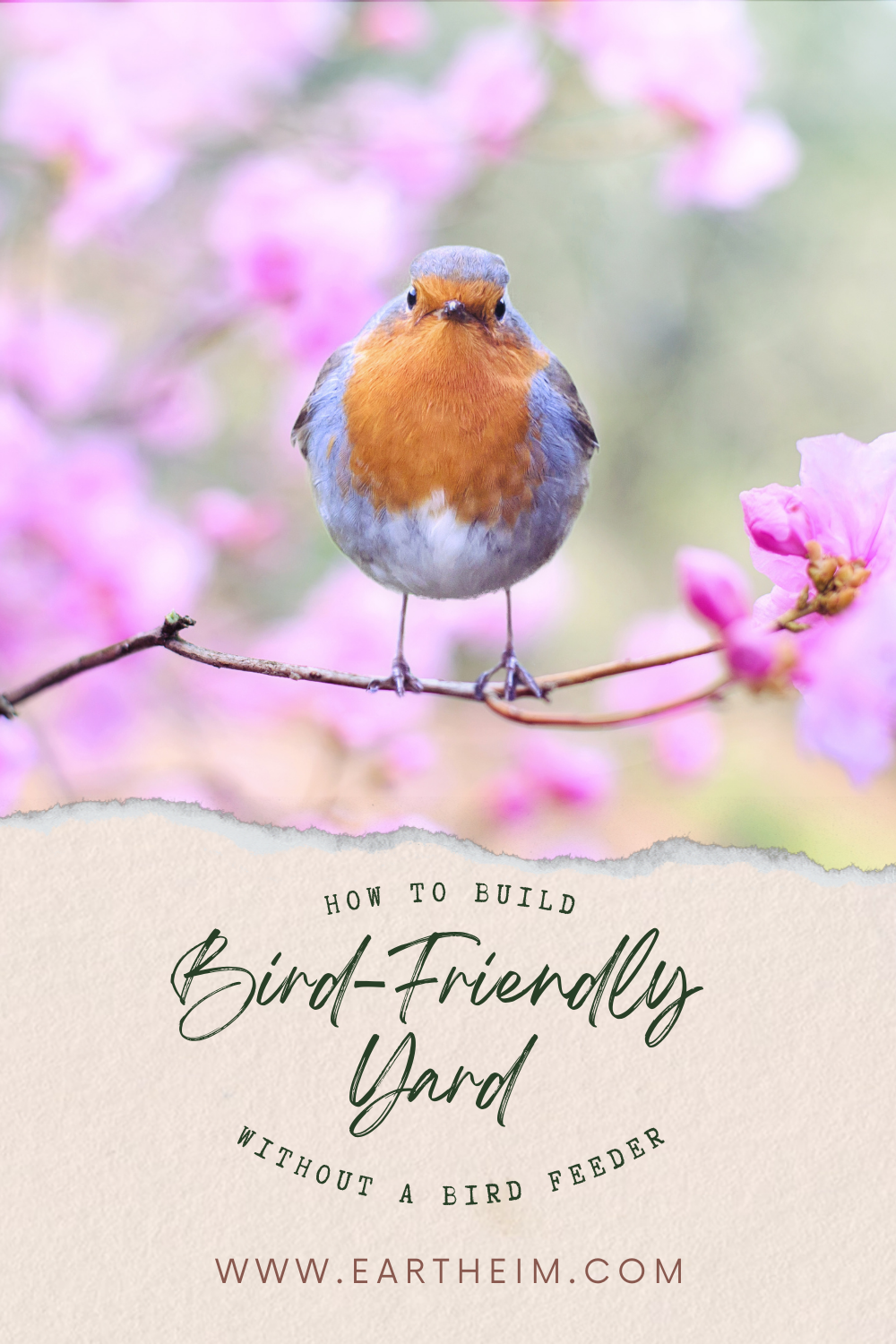
How to Build a Bird-Friendly Yard Without a Feeder
Bird feeders are a great way to attract birds, but they require regular cleaning and refilling. If you want to support local bird populations naturally, you can create a thriving habitat right in your yard. By planting native plants, incorporating water sources, and designing a layered landscape, you can turn your outdoor space into a…
-

Spring Garden Clean-Up: Timing for Pollinators’ Emergence
As the days grow longer and the temperatures rise, it’s tempting to jump into garden clean-up mode on the first warm day of spring. However, it’s essential to be mindful of when you clean up your garden to ensure that pollinators, like bees, butterflies, and other beneficial insects, have time to emerge and thrive. Pollinators…
-

The Tiger Swallowtail: A Colorful Butterfly with Fascinating Traits
The Papilio glaucus, commonly known as the Eastern Tiger Swallowtail, is a large and striking butterfly native to North America. Recognizable by its yellow wings adorned with black tiger-like stripes, this butterfly is a favorite among nature lovers and gardeners alike. The Tiger Swallowtail is not only beautiful but also plays a crucial role in…
-

Create a Hummingbird Paradise in Your Garden: Attracting Ruby-Throated Hummingbirds with Native Plants
If you’ve ever watched a hummingbird flit from flower to flower, hovering in mid-air with wings beating faster than the eye can follow, you know just how mesmerizing these tiny creatures are. One of the most incredible sights in nature is watching the iridescent glow of a ruby-throated hummingbird as it zips through your garden,…
-

6 Hummingbird Garden Design Ideas
Hummingbirds are fascinating creatures and one tiny tough bird. Many of my landscape customers want to attract hummingbirds specifically to their gardens. I always begin designing a hummingbird garden with the plants that grow in our area that I know will attract them. You can first build the backbone of your hummingbird garden with the…
-

Blue Winged Wasp: A biological control for Japanese Beetles
Did you know that most wasp species aren’t aggressive? When we hear ‘wasp’ we tend to think of the aggressive species, living in nests, that swarm us. Wasp are carnivores, and actually can do a lot to help control pests in our gardens. Today I saw a blue winged wasp, Scolia dubia, in my yard.…
-

Five Spotted Hawkmoth
Every evening as the last rays of sun dwindle down in the sky, I look out from my back patio door. What I see visiting my nicotiana’s every night, looks like a hummingbird, but it’s actually a moth! Every day at about dusk, a Five Spotted Hawkmoth visits the nicotiana by my back patio. It…
-
Leave Coneflowers for Goldfinches
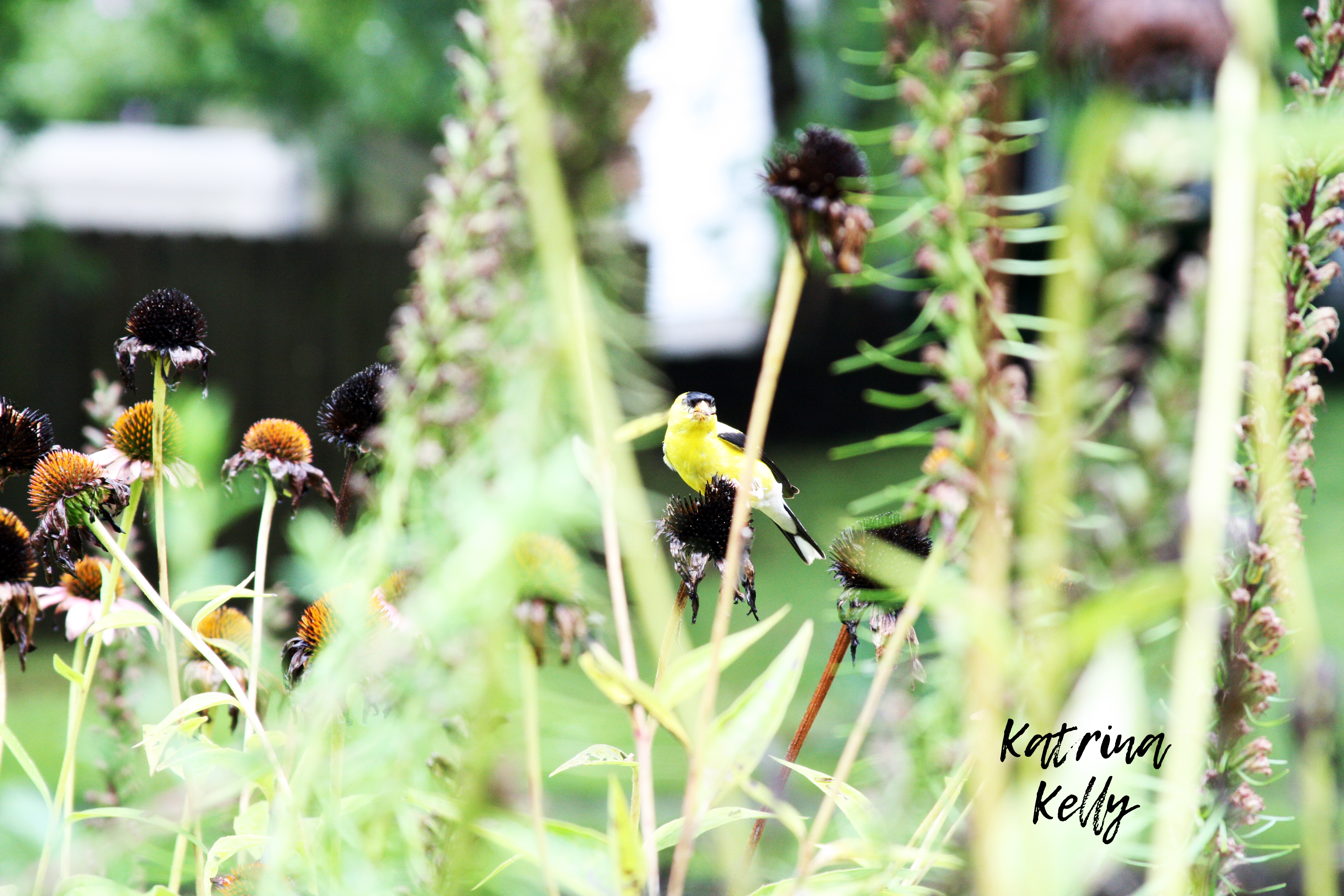
The pink petals on Purple Coneflowers are starting to fade away for the summer. The gold colored seed heads will start to mature and turn dark, as the seed becomes ripe for picking. The American Goldfinches will soon be sitting atop the seed heads picking away at the seeds. Adult goldfinches are seed eaters; and…
-

3 Lawn Weeds for Bees & Pollinators
Spring is just a week away! I’ve been seeing daffodils, crocus, hyacinths, spring wildflowers, pussy willows, and some cherry trees flowering already. The perfect spring temperatures and rainfall are making lawns turn greener and greener each day and before we know it, it’ll be time to mow! As we start to draw more attention to…
-

Snow Day for the Birds
With all the snow and very cold temperates this January we’ve had, my bird feeders have been full of birds looking for some good nutrition to keep them warm! Please remember: Do Not feed birds any form of bread. It starves them to death by filling them up with food that offers no nutrition. They…
-

The Winter Garden As Habitat for Beneficial Insects
It may not seem like it, but gardens are still full of life even in winter and fall. Most if it is hibernating, but if you look close enough you can find evidence. I got out in my garden last November and played detective, finding a few fun things in the garden. This lady bug…
-

Crows, Blackbirds, & Ravens
What’s that black bird over there? There are several species of birds that have all black feathers. Crows are a familiar bird that can be found nearly everywhere in America. They are a very adaptable bird, which allows them to live in various environments. It may be one reason why humans have given crows some type of…
-

Effects of Light Pollution on Wildlife
It was an October night, I was standing outside on the second floor of a motel looking out to the ocean of Myrtle Beach. Out there I saw true darkness, but it was still hard to see the complete darkness for the glare of a motel light. Bugs and moths were buzzing all around it.…
-

Feeding Birds in Winter
If you enjoy birding as much as I do, you must also enjoy feeding and watching birds in the winter. Birds stand out in the landscape of leafless trees and white snow, making them easier to watch. They’re likely spending a lot more time at your feeders trying to stay fat to keep warm all winter. There…
-
Birding with Cats: The #1 Killer of Birds in the World
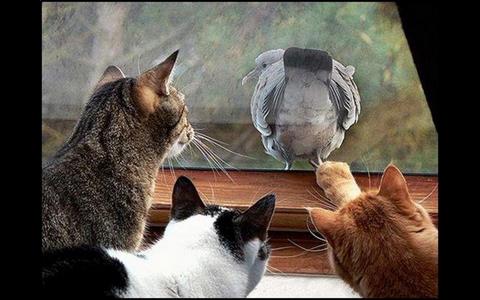
Have outdoor cats, but love birding? You and I are in the same boat. Sylvester the cat and Tweety the bird aren’t just a cliche in the animal world. Cats can kill between 1.4- 3.7 Billion birds annually in the continental US This number tells us that bird deaths due to cats is a serious issue.…
-

Is Mosquito Spraying Affecting our Pollinators?
The following article was written for Wild Ones Lexington newsletter September 2016 We seem to be seeing an increasing amount of advertising for mosquito spraying services in our area. We are also noticing lower numbers of pollinators, especially butterflies. While populations of our pollinators are suffering due to many factors, could the chemicals used to kill…
-

Raising Spicebush Swallowtail Butterflies
Raising caterpillars to butterflies isn’t something I’ve done before, but I finally did a little research on how to go about it. About a week ago we saw a Spicebush Swallowtail flying around our 2 Spicebush shrubs. We knew it was laying eggs on the shrubs! We looked, and there they were on the underside…
-

The Robber Fly
Once you start planting a garden, you start witnessing fun things, especially when you plant native plants, edible plants, and pollinator loving annuals (all without pesticides on them of course!). As I was looking at the flowers on my hanging basket, I saw this guy fly up and land. Its giant green eyes were nearly…
-

Attract Hummingbirds to Your Garden
Hummingbirds are amazing creatures! They have long beaks, are tiny, and flutter their wings 60 to 90 times per second! They are even more amazing birds because of their migration pattern. In fall, the hummingbirds from Kentucky travel south down to Florida along the Gulf coast. They spend about a week here and gain about…
-
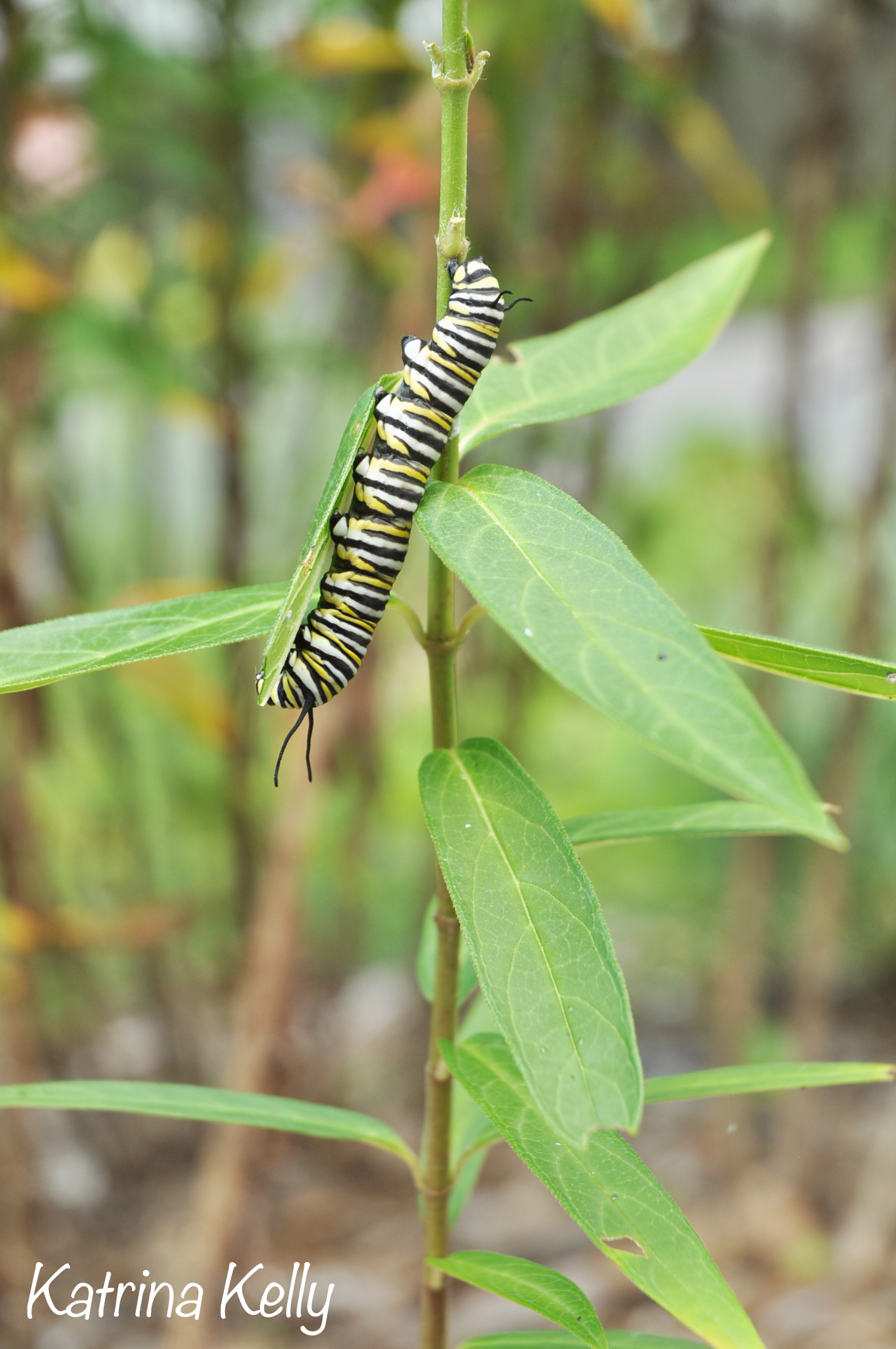
What Is a Host Plant?
There’s been a lot of buzz lately about pollinators and native plants, which is awesome! Awareness in anything is the first step in creating change to those things which no longer serve us. Our pollinators are very important to our ecosystem, they’re the building block to our food chain and pollinate our food and flowers! A…