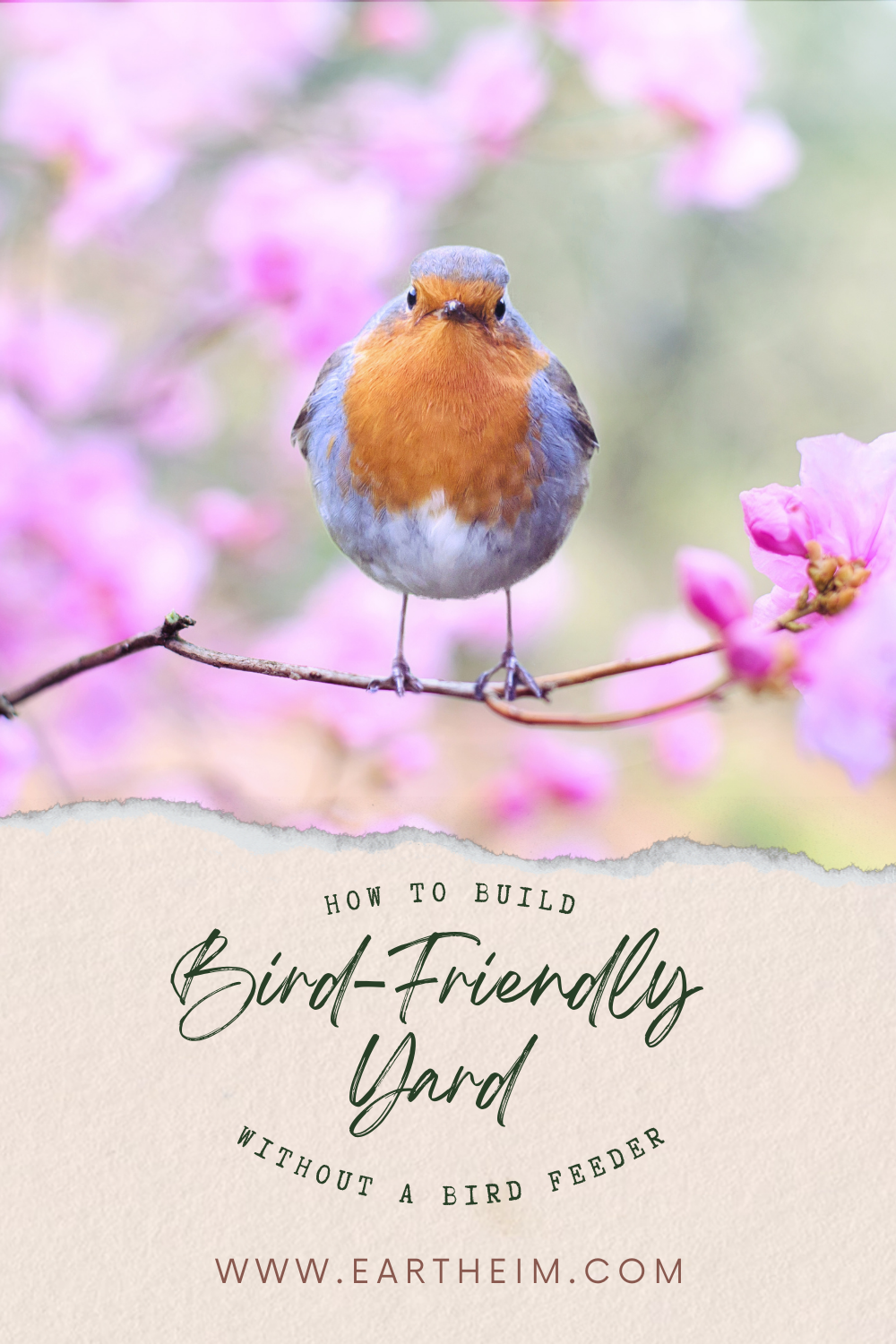
Bird feeders are a great way to attract birds, but they require regular cleaning and refilling. If you want to support local bird populations naturally, you can create a thriving habitat right in your yard. By planting native plants, incorporating water sources, and designing a layered landscape, you can turn your outdoor space into a bird paradise.
1. Plant Native Trees, Shrubs, and Flowers
Birds rely on native plants for food, shelter, and nesting materials. Many native plants produce seeds, nectar, and berries that birds love. Some excellent choices include:
- For seed-eating birds: Purple coneflowers, sunflowers, black eyed susan, little bluestem, asters, goldenrod, blazing star.
- For hummingbirds: Cardinal flower, native honeysuckle vine, hoary skullcap, beardtongue, Mexican sunflower, tomatillos, and bee balm.
- For berry-eating birds: Native viburnums, native holly, coralberry, serviceberry, wild grape, wild cherry, and beautyberry.
Many hummingbird-friendly plants grow naturally in regions of South America and Mexico, such as salvias, mexican sunflower, and cannas, making them excellent additions to your garden. You may be surprised by how many plants in your area attract these tiny, energetic birds!

2. Provide a Water Source
A fresh water source is one of the best ways to attract birds to your yard. Consider adding:
- A birdbath (shallow with a rough surface for easy footing).
- A small pond or water garden with gentle ripples.
- A dripping water feature (moving water catches birds’ attention).
Keep water features clean and refill them regularly to prevent mosquitoes and algae buildup.

3. Create a Layered Habitat
Birds thrive in diverse environments with multiple layers of vegetation. Try incorporating:
- Shade trees for perching and nesting.
- Understory trees (like redbud and serviceberries) for food and shelter.
- Native shrubs for protection and nesting areas.
This layered approach mimics natural bird habitats and supports a variety of species.
4. Support Insect-Eating Birds
Many birds, such as warblers and wrens, rely on insects as a primary food source. By planting a diverse garden, you’ll naturally attract insects that birds can feed on. Avoid pesticides, as they reduce the number of available insects and can harm birds directly.
5. Remove Invasive Plant Species
Invasive, non-native plants might produce berries, but they often lack the essential nutrients native birds need. Some invasive species also outcompete native plants, reducing the food supply for birds. Research and remove invasive species in your area, replacing them with native alternatives.
Final Thoughts
By transforming your yard into a natural bird habitat, you provide essential food, water, and shelter—no feeder required! Native plants, water features, and a thoughtfully designed landscape will attract a diverse range of birds, allowing you to enjoy their beauty while supporting local ecosystems.

Design Plan: Hummingbird Native Plant Garden
Do you want to attract hummingbirds to your garden this year? If you plant the right plants, you won’t even need to provide nectar through a bird feeder, as the plants will provide them nectar all summer long!
I am a professional landscape designer that focuses on using native plants, and I love hummingbirds! I have chosen the best hummingbird attracting plants that also do well in gardens b…