

As the days grow longer and the temperatures rise, it’s tempting to jump into garden clean-up mode on the first warm day of spring. However, it’s essential to be mindful of when you clean up your garden to ensure that pollinators, like bees, butterflies, and other beneficial insects, have time to emerge and thrive.
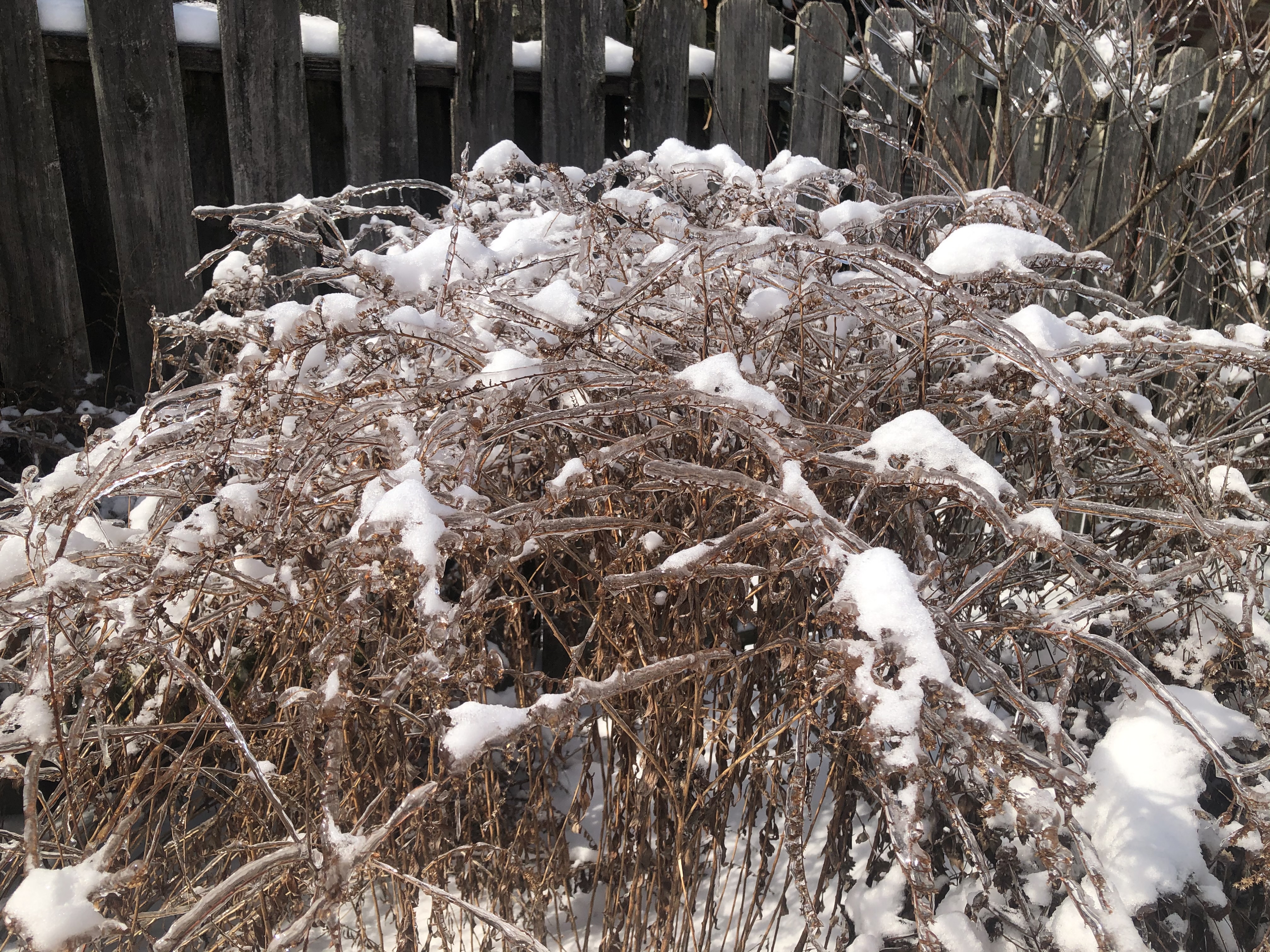
Pollinators often spend the colder months in hibernation, hiding in leaf litter, under plant debris, or within hollow plant stems. As spring progresses, these insects begin to stir as the weather warms up. Many butterflies and moths live as a chrysalis attached to the plant matter in which they are attracted to, such as its host plant.

Typically, they emerge when the temperatures consistently reach around 50°F during the day, but they rely on a mix of sunshine and warmer nights to become active. If gardeners clean up too early, they risk disturbing hibernating insects, especially the ones tucked away in places like leaf piles or old plant stalks.
The right time to clean up is often in late spring, when you see signs of new growth and when pollinators are likely to have emerged and begun their activities. Leaving some of the fallen leaves and plant material until the temperatures stabilize will allow pollinators a safe space to emerge.
This careful timing is important because many pollinators rely on early-season flowers and plants for food once they emerge. Early blooming native plants like woodland and creeping phlox, pasque flower, and redbuds provide vital nectar and pollen that these insects depend on. Additionally, keeping debris in place allows pollinators to forage, nest, and find shelter.
As gardeners, we can help pollinators by creating diverse, native plant gardens, avoiding pesticides, and allowing natural spaces for insects to thrive. By syncing our clean-up efforts with pollinators’ needs, we contribute to healthier ecosystems and more vibrant gardens.