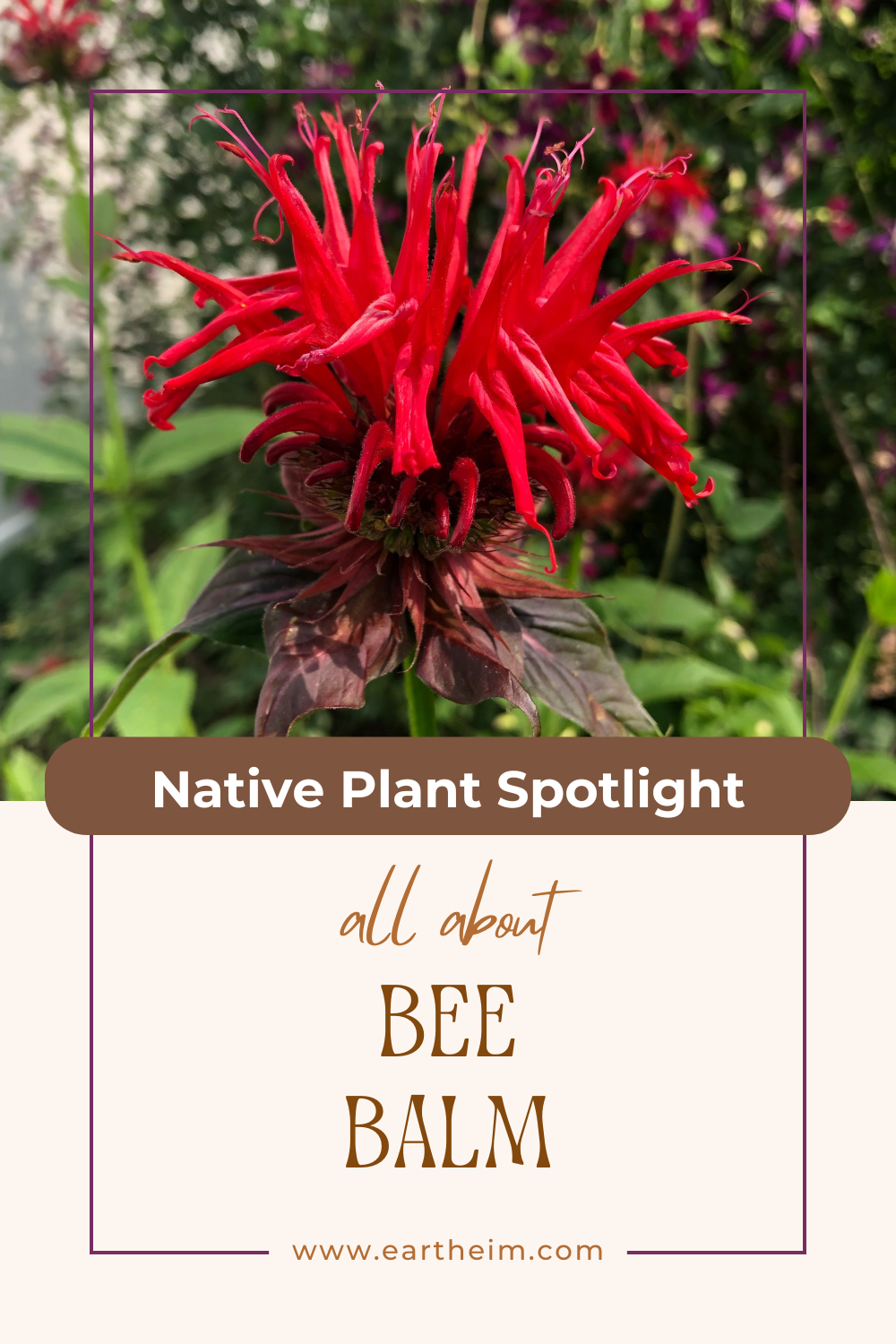
Bee balm, scientifically known as Monarda, is a genus of beautiful flowering plants native to North America. These plants are well-loved for their vibrant blooms, aromatic foliage, and ability to attract pollinators like bees, butterflies, and hummingbirds. Within the Monarda genus, three native species stand out: Monarda didyma, Monarda fistulosa, and Monarda bradburiana. Each has its unique features, growing habits, and benefits to both gardeners and local ecosystems. In this blog post, we’ll explore these species in detail, including their habitats, notable features, and how they support pollinators, alongside tips for gardening with them.
1. Monarda Didyma (Scarlet Bee Balm)
Habitat and Range: Monarda didyma, commonly known as scarlet bee balm, is native to the eastern United States and parts of Canada. It thrives in moist, rich soils of woodlands, meadows, and along stream banks, often in partially shaded areas.
Notable Features: This striking species is perhaps the most iconic of the bee balm family, with its brilliant scarlet-red flowers and aromatic foliage. The flowers appear in clusters, resembling frayed pom-poms, and bloom during the summer months (June to August). The plant can grow up to 3–4 feet tall and forms a clumping habit with lance-shaped, rough-textured leaves.
Cultivars: Several cultivars of Monarda didyma have been developed, with different flower colors and sizes. Notable examples include:
- ‘Jacob Cline’: Deep red flowers and mildew-resistant.
- ‘Marshall’s Delight’: A slightly lighter red with a compact growth habit.
- ‘Raspberry Wine’: A pinkish-red variant that attracts a range of pollinators.
Gardening Tips: Scarlet bee balm does best in moist, well-drained soil with partial to full sun. It’s a perfect plant for adding color to garden borders or as a backdrop in a pollinator garden. However, be aware that Monarda didyma can be prone to mildew, so it’s essential to ensure good air circulation around the plant to minimize this issue.
2. Monarda Fistulosa (Wild Bergamot)
Habitat and Range: Monarda fistulosa, also known as wild bergamot, is widely distributed across North America, ranging from the eastern United States to the Midwest and even parts of the Rocky Mountains. It prefers open fields, prairies, and disturbed habitats, thriving in sunny areas with dry to moderately moist, well-drained soil. It will spread by runners but it can be easily managed for size.
Notable Features: The flowers of Monarda fistulosa are typically pale lavender to pink and arranged in rounded clusters. The leaves are aromatic when crushed, releasing a lemony or minty fragrance, hence the “bergamot” name. The plant typically grows 2–4 feet tall, and its long, tubular flowers attract a wide variety of pollinators.
Cultivars: There are many cultivars of wild bergamot, with slight variations in flower color and plant height. Some of the popular varieties include:
- ‘Blue Stocking’: An upright form with lavender-blue blooms.
- ‘Pink Lace’: A pink-flowered variety that is a bit shorter and compact.
- ‘Claire Grace’: A form with lighter pink flowers and strong mildew resistance.
Gardening Tips: Monarda fistulosa is a perfect plant for prairie-style gardens, wildflower meadows, or pollinator gardens. It does well in full sun and well-drained soil and is generally more drought-tolerant than Monarda didyma. It’s also much less susceptible to powdery mildew, making it a low-maintenance choice for gardeners looking to attract bees and butterflies.
3. Monarda Bradburiana (Bradbury’s Bee Balm)
Habitat and Range: Native to the central United States, Monarda bradburiana is less commonly found in gardens but is a valuable native species to include in any pollinator-friendly space. It prefers dry, rocky, or sandy soils and is typically found in prairies and open woodlands.
Notable Features: Monarda bradburiana is a relatively low-growing species, reaching 1–2 feet in height. It features pale lavender-pink to white flowers, which are subtly speckled with purple. The flowers bloom in spring, earlier than the other 2 described species. Its foliage is green and purple, so even after flowering it has interest with its leaves. This species will not spread by runners like the other 2 described earlier.
Cultivars: While there are fewer cultivars of Monarda bradburiana, its soft coloring and compact form make it an attractive option for smaller spaces and its much under utilized in the landscape. I have found it to be a shorter lived plant and doesn’t readily reseed itself, unless its in a favorable habitat.
Gardening Tips: This species is well-suited for dry gardens, xeriscaping, or as part of a native plant garden. It thrives in full sun and can handle a variety of soil types, including rocky, gravelly, or sandy soils. It’s an excellent choice for gardeners seeking a more understated and drought-tolerant variety of bee balm. If you’re planting this in clay soil, you may want to add some fine gravel or sand around the plant.
The Importance of Bee Balm for Pollinators
All three species of Monarda are excellent choices for supporting pollinators. Their tubular flowers, which are rich in nectar, are particularly attractive to bees, butterflies, and hummingbirds. These plants bloom in late spring to summer, filling a crucial gap in the pollinator’s food supply. By planting bee balm species in your garden, you’ll not only add beauty and color but also provide a critical food source for local wildlife. Native bees, including bumblebees and honeybees, are particularly fond of the abundant nectar produced by these flowers.
How to Garden with Bee Balm
When incorporating bee balm into your garden, keep the following tips in mind:
- Soil and Sunlight: Most Monarda species prefer moist, well-drained soil, but some, like Monarda fistulosa and Monarda bradburiana, are more tolerant of drier conditions. Ensure you plant them in areas with sufficient sunlight—bee balm thrives in full sun to partial shade.
- Spacing: Bee balm tends to spread, so give your plants enough space to grow. About 18–24 inches between plants is ideal to avoid overcrowding and encourage airflow, which helps prevent fungal diseases like powdery mildew.
- Watering: Bee balm appreciates regular watering, especially in the early stages of growth. However, once established, many varieties can handle occasional drought.
- Maintenance: While these plants are relatively low-maintenance, they can sometimes be prone to powdery mildew, particularly in humid climates. To prevent this, ensure good air circulation around the plants and avoid overhead watering. Cutting back the plants after flowering can also help prevent disease and encourage fresh growth.
- Companion Plants: Bee balm pairs well with other native plants that thrive in similar conditions, such as coneflowers (Echinacea), black-eyed Susans (Rudbeckia), or native grasses like little bluestem (Schizachyrium scoparium).
Conclusion
The native species of bee balm—Monarda didyma, Monarda fistulosa, and Monarda bradburiana—are all excellent additions to gardens looking to attract pollinators and support local wildlife. These plants are not only beautiful but also functional, providing valuable resources for bees, butterflies, and hummingbirds. By choosing the right species for your garden’s conditions, you can enjoy their vibrant blooms and sweet fragrance while contributing to the health of pollinator populations.If you’re passionate about supporting native ecosystems and creating a colorful, low-maintenance garden, consider adding bee balm to your landscape. Whether you choose the classic scarlet blooms of Monarda didyma, the lavender haze of Monarda fistulosa, or the understated beauty of Monarda bradburiana, you’ll be rewarded with a garden that’s both stunning and ecologically important.